
Product Description:
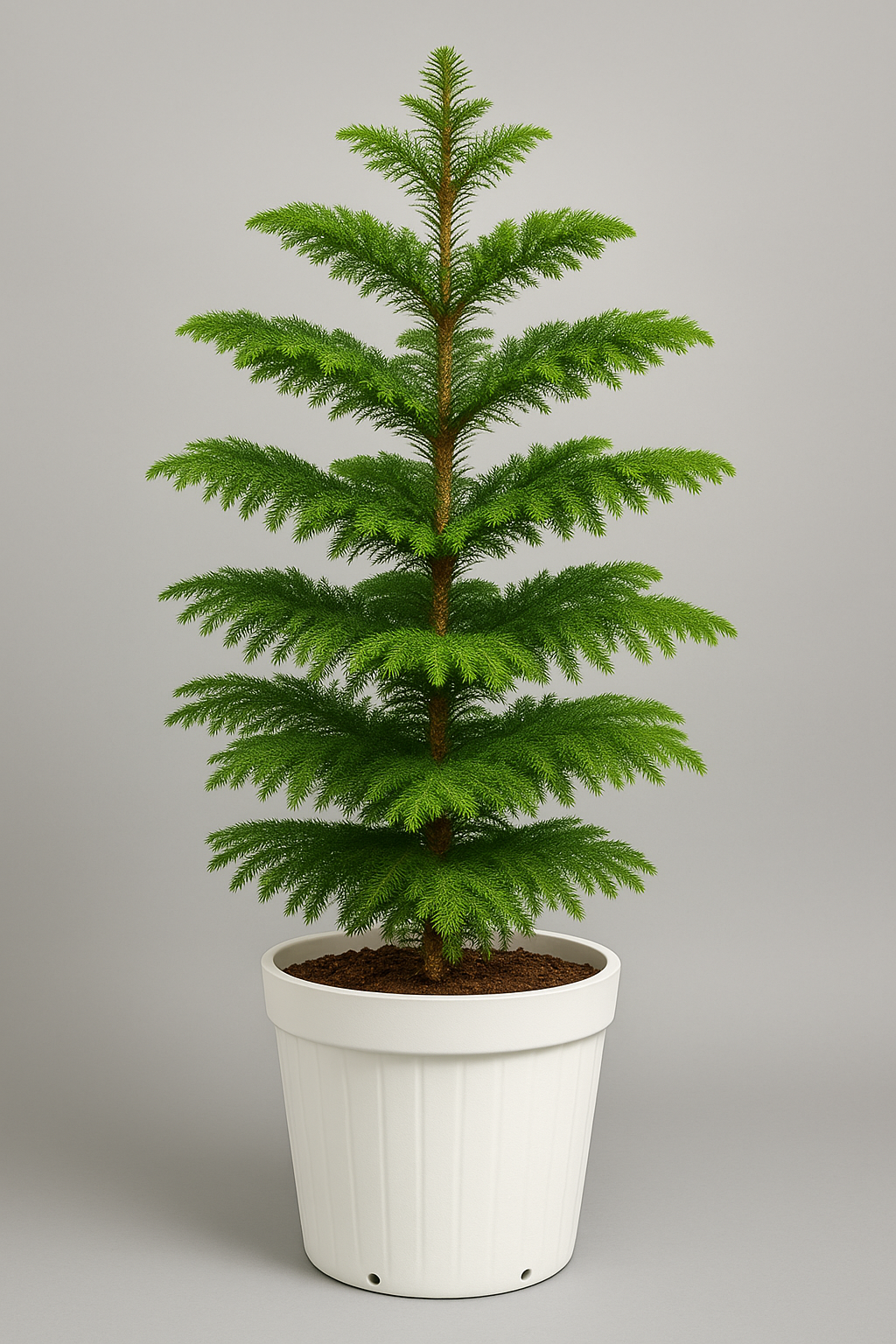
Being one of the most widely spread and most varied class of North American native tree species, it is no mystery as to why pine trees are a popular choice for landscaping. Due to how easy it is to plant, grow, and care for them, pines are one of (if not the most) valuable of the commercial timber sources. Pines are widely utilized in the making of furniture, in construction, land management, and much more. Some of the pine species are able to grow 2–3 feet per year while remaining full and vibrant. As well, all pines are evergreen, making their appeal to home owners even greater. These pines are often selected by property owners and landscape designers that prefer the long, soft needles. pine trees evoke so many thoughts and feelings within us. They also have other uses, such as being used to make bats or used as softwood lumbar. Or even as food in the form of pine nuts that are added to salads for their rich buttery flavor.
Light:
Pine trees require full sunlight to reach their optimal growth potential. This leads them to colonize areas that have been disturbed and left open so that they can absorb the maximum sun’s rays.
Soil:
Pines benefit the most from well-drained sandy soil where nutrients are readily available. They prefer dry soil that is slightly acidic.
Water:
Most pine trees are drought tolerant and require a small amount of water to thrive.
Fertilizer:
Slow-release fertilizer is your best bet. For these saplings, a slow-release chemical will support healthy and strong growth. For mature pines, a slow-release fertilizer will ensure that the trees remain healthy and flourishing.
Pruning:
Pine trees are not made to be shaped and pruned often or with reckless abandon. For the best results, never prune more than ⅓ of a year’s fresh growth off. There will be occasions where some thinning and cleaning of the crown will be necessary to provide the pine with more air circulation or remove damage caused by a storm or high winds.