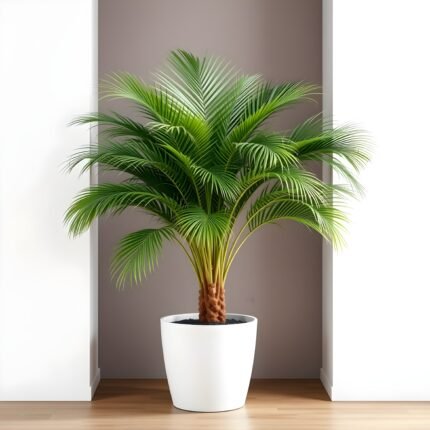
Soil: Use a good organic potting soil when repotting this plant.
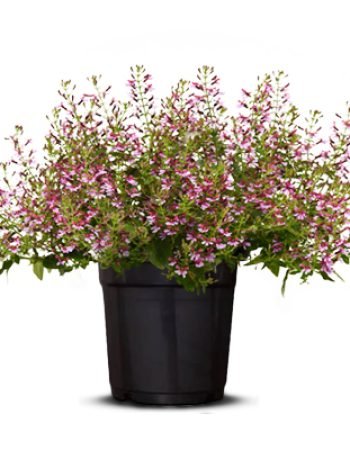
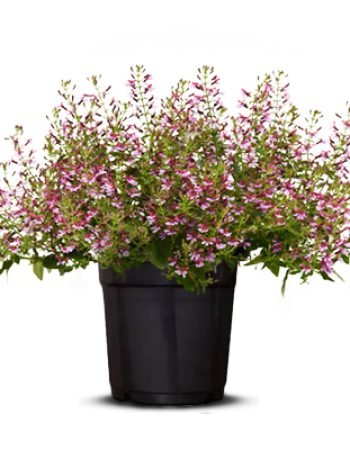


Original price was: ₹399.00.₹199.00Current price is: ₹199.00.
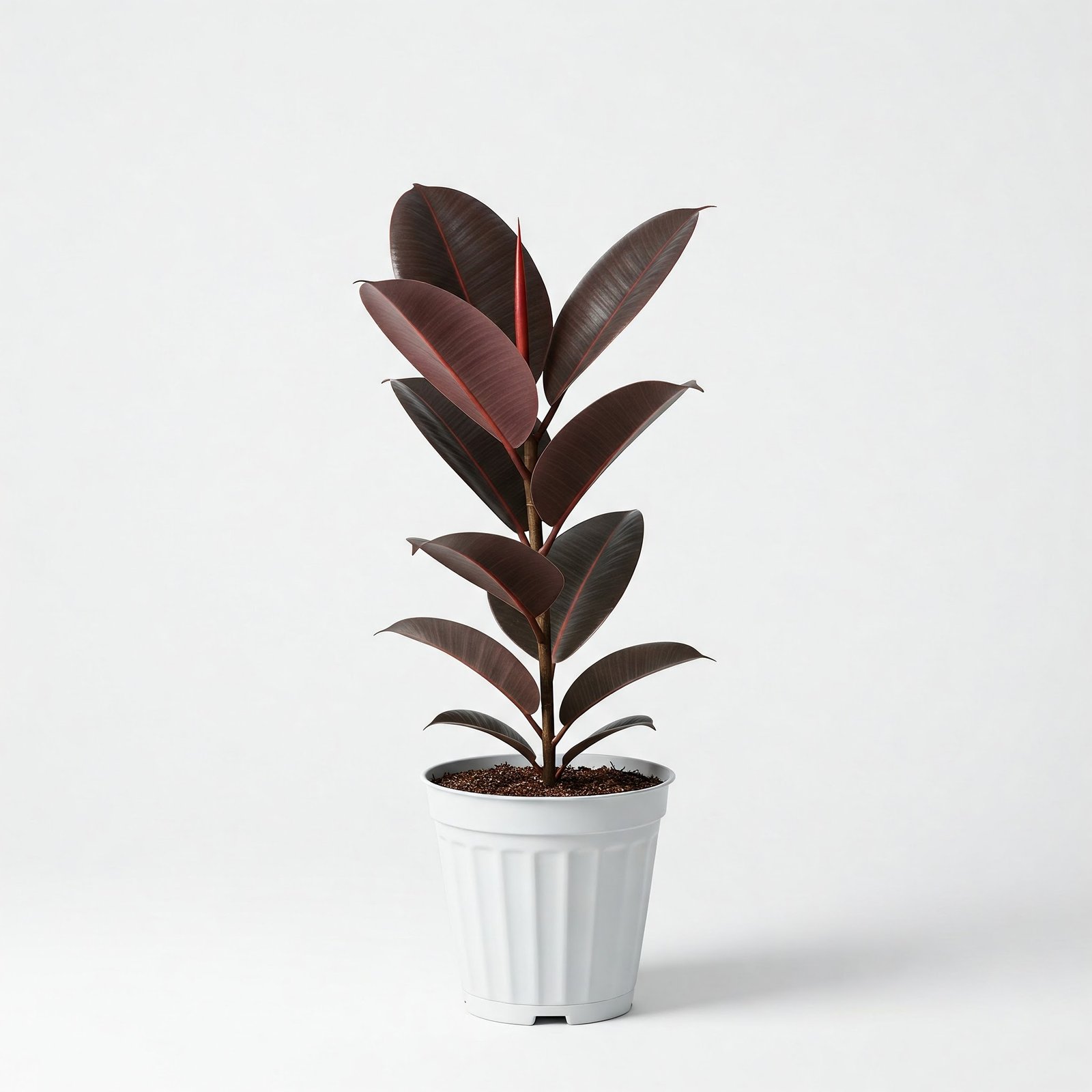
Description: Rubber tree plant is a popular houseplant because of its waxy leaves and larger-than-life appearance. Native homeland of Southeast Asia. Plants grow anywhere between six to ten feet tall.
Light: Bright, indirect light.
Water: Regularly in summer reduce in winter.
Soil: Use a good organic potting soil when repotting this plant.
NOTE:
1.Open box delivery at your Doorstep
2.One day delivery
3.The images shown are for reference purposes only. The actual product may vary based on climate, size, colour, shape, etc.
Ficus plant (more commonly known as a rubber plant, rubber tree or rubber tree plant) is a popular houseplant because of its waxy leaves and larger-than-life appearance. Rubber plants can grow up to 100 feet in their native homeland of Southeast Asia. As a domesticated houseplant, rubber plants grow anywhere between six to ten feet tall. The shiny glossy leaves look great in most homes and although young plants start off small they will fill the space in an empty corner quickly.
Rubber plants prefer bright, indirect light that isn’t too hot. Direct sunlight can result in scorched leaves. You can keep your rubber plant near a window with a sheer curtain to give it just the right amount of sunlight.
These plants require more water during their growing season in the summer. You should keep the soil moist, but not drowning. You should also wipe the leaves down with a damp cloth to keep them moist and to help your plant absorb more sunlight. Misting is another option if you don’t want to wipe down every leaf. Keep your rubber plant in well-draining soil at all times to combat root rot.
Feed all Ficus houseplants when they are actively growing with a well balanced plant food diluted to 1/2 the recommended strength.
Use a good organic potting soil when repotting this plant. You want it to be enriched with good stuff but also to drain well.
Rubber plants generally prefer temperatures between 60°F to 75°F. In the winter, they can survive in temperatures as low as 50°F. Just like with water and sun needs, a good balance of temperature is ideal for this plant’s growth.
You should repot your rubber plant to allow it to grow. You may need to do this every few years or every year depending on how large your pot is and how quickly your rubber plant grows. Don’t repot your rubber plant if you’d like to keep it at its current size.
The easiest way to propagate is to take a small branch from a healthy rubber plant and let it root in soil or water. You want to let the sap from the stem dry first before planting. Another way to propagate is by air layering. To do this, make a cut in a healthy plant and stick a toothpick in the opening. Wrap it in damp moss and then wrap plastic wrap around the moss to keep it on the toothpick. Once you start to see roots growing in the moss, cut the branch off and plant it in new soil.
You’ll need to prune your rubber plant to help it support itself, promote new growth and control its size so that it doesn’t grow too large. It’s best to prune in the spring and to avoid the winter, but a rubber plant can be pruned at any time of the year. Be aware that cutting the branches will release some of the plant’s sap.
Soil: Well-drained soils.
Water: Regularly
Light: Boxwoods will take full sun to partial shade
NOTE: 1.Open box delivery at your Doorstep 2.One day delivery 3.The images shown are for reference purposes only. The actual product may vary based on climate, size, colour, shape, etc.Light: Bright sunlight.
Water: Twice a week
Soil: They prefer rich soils that are high in organic matter.
NOTE: 1.Open box delivery at your Doorstep 2.One day delivery 3.It is not sure whether flowers will be there on the plant or not at the time of delivery. It will get flowers during the season. 4.The images shown are for reference purposes only. The actual product may vary based on climate, size, colour, shape, etc.Water: Regularly
Light: Bright sunlight. Soil: Well-drained soil. NOTE: 1.Open box delivery at your Doorstep 2.One day delivery 3.It is not sure whether flowers will be there on the plant or not at the time of delivery. It will get flowers during the season. 4.The images shown are for reference purposes only. The actual product may vary based on climate, size, colour, shape, etc.Temperature: Range between 65 and 95 F. (18-35 C).
NOTE: 1.Open box delivery at your Doorstep 2.One day delivery 3.The images shown are for reference purposes only. The actual product may vary based on climate, size, colour, shape, etc.No account yet?
Create an Account