

Product Description:
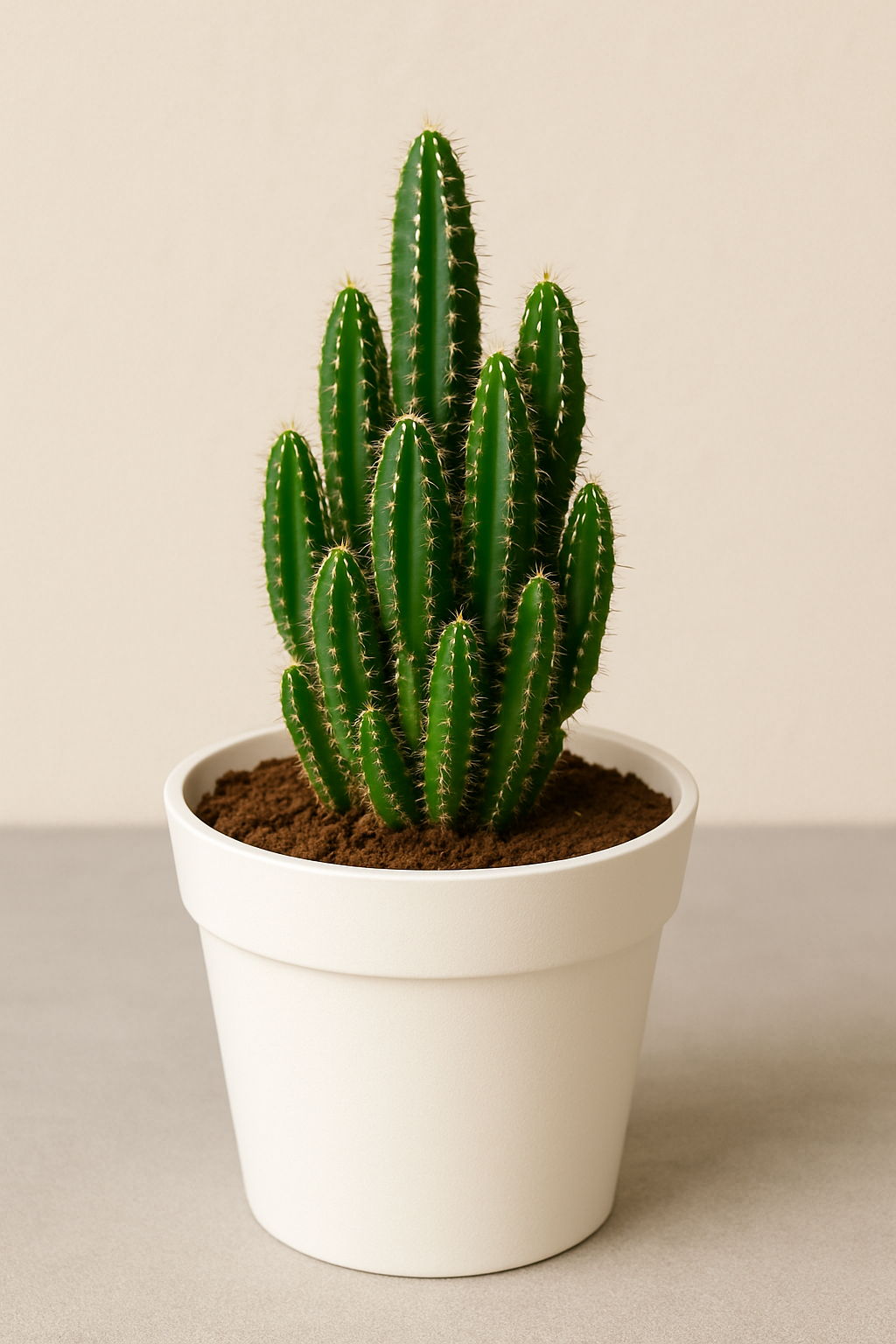
Echinopsis oxygona is a charming flowering spherical cactus from the Cactaceae family, native to South America. This indigenous hermit grows in arid and rocky areas throughout southern Brazil, Uruguay, and Argentina. Trichocereus, as well as the smaller day-flowering species that were previously classified in the Lobivia genus. The large columnar cactus is beautiful, but it is far too large for indoor cultivation, so only the smaller day-flowering species are grown indoor and are now classified in the Echinopsis genus. What is common in all of these plants is the beautiful flowers present in each. The giant flowers (4-6 inches in size) are often multicolored with a beautiful blend. The colors and types of flowers can vary from the original Echinopsis.
Light:
Like many cacti and succulent the Echnopsis appreciate strong light during the growing season. Move plants outdoors if possible, but acclimate to direct sunlight slowly to prevent scorching. In the winter, southern exposure is perfect.
Water:
Allow the soil mix to become nearly dry between waterings, but then water thoroughly. Immaculate drainage is essential, so never let the pots sit in water. Suspend watering in the winter, but mist occasionally.
Soil:
This plant requires a well-drained, porous rich soil mix. A good DIY cactus mix or a commercial cactus and succulent potting mix will also work.
Fertilizer:
During the growing season, fertilize with a cactus fertilizer mix. Suspend feeding during the dormant winter period.
Temperature:
An ideal temperature for this plant to rest in the winter is 50°-55° degrees Fahrenheit. In the spring, move the plant to a warmer location. It can easily live in a south-facing window. Stand the plant in a sunny spot in the garden through the summer.
How To Propagate Echinopsis Cactus:
Echinopsis species can be propagated using offsets.
These are clustered around the bottom of the mother plant and should be cut off at the most narrow part of the plant. Allow the cuttings to dry on a paper towel and form a callous. This might take a few weeks and varies depending on the size of the cut surface. Next plant the Echinopsis cactus offsets in well-draining cactus soil.
Echinopsis Cactus Pest or Diseases:
This plant is generally free of pests and diseases. The main thing to look out for is possible root and stem rot that happens if the plant receives too much water.
Repotting:
Repotas needed, preferably during the warm season. To repot cacti, make sure the soil is dry before repotting, then gently remove the pot. Knock away the old soil from the roots, making sure to remove any rotted or dead roots in the process. Treat any cuts with a fungicide Place the plant in its new pot and backfill with potting soil, spreading the roots out as you repot. Leave the plant dry for a week or so, then begin to water lightly to reduce the risk of root rot. Be careful when handling Echinopsis as they have stiff spines.